
Heated Blankets: Benefits, Types, Safety, and Buying Guide
As winter temperatures drop, heated blankets provide a convenient way to stay warm and comfortable without cranking up the thermostat. These electric blankets use internal wiring and temperature controls to deliver adjustable warmth directly to your bed or couch. In this comprehensive guide, we’ll cover everything you need to know about heated blankets — including how they work, the different types available, safety precautions, energy-saving tips, and what to consider when buying one for your home.
1. What Is a Heated Blanket?
A heated blanket, often called an electric blanket, is a bedding accessory that contains electrical heating elements woven into the fabric. When connected to a power source, these elements heat up to provide gentle and consistent warmth. Users can control the temperature using an adjustable thermostat or remote control built into the cord.
Heated blankets are designed to provide direct warmth, helping to reduce the need for excessive heating in the entire room. They are popular in colder climates and are available in various materials and sizes to suit beds, sofas, and personal comfort needs.
2. How Does a Heated Blanket Work?
The basic mechanism of a heated blanket involves converting electrical energy into heat through resistive wiring. Here’s a simplified breakdown:
- Electric current passes through fine insulated wires integrated within the blanket.
- The resistance of the wires generates heat, which radiates throughout the fabric.
- Temperature sensors and thermostats regulate the heat output to prevent overheating.
- Users can adjust the heat level manually or automatically depending on the model.
Modern heated blankets also use low-voltage or carbon fiber heating systems to enhance safety and comfort. Some high-end models even include dual controls for couples who prefer different heat levels on each side of the bed.
3. Types of Heated Blankets
Heated blankets come in several styles, each designed for a specific use or comfort preference:
3.1 Electric Throw Blankets
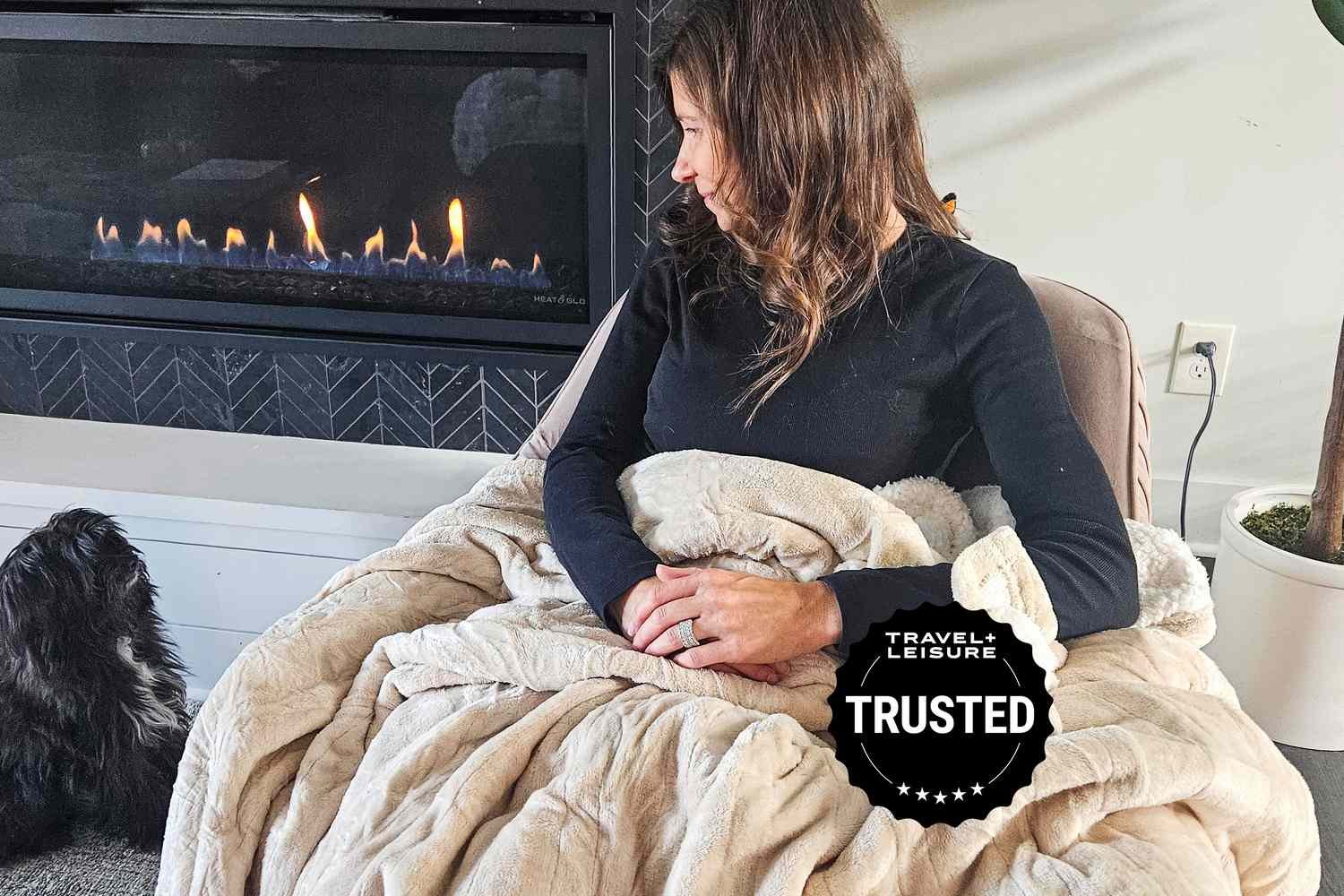
Smaller, portable versions perfect for couches, recliners, or home offices. They plug into standard outlets and typically feature multiple heat settings.
3.2 Heated Mattress Pads
Placed beneath the bedsheet, these pads warm the bed from below. They provide consistent heat and are ideal for people who feel cold at night.
3.3 Heated Comforters or Quilts
Larger versions that combine traditional bedding comfort with electric heating. These often feature dual zones and advanced controllers for precise temperature management.
3.4 Battery-Powered Heated Blankets
Operate without direct plug-in power, using rechargeable batteries or USB connections. Convenient for outdoor use, camping, or travel.
3.5 Smart Heated Blankets
These modern blankets integrate with mobile apps or smart home systems. Users can set schedules, adjust temperatures remotely, and monitor energy usage.
4. Materials Used in Heated Blankets
The comfort and efficiency of a heated blanket depend on its materials. Common options include:
- Fleece: Soft, lightweight, and excellent at retaining heat.
- Microplush: Luxurious feel with high heat retention and breathability.
- Polyester: Durable and cost-effective, commonly used in most electric blankets.
- Sherpa: Thick, wool-like texture that enhances warmth and comfort.
- Cotton blends: More breathable but slightly less heat-retentive.
Most modern blankets use flame-resistant fabrics that comply with safety standards to minimize fire hazards.
5. Benefits of Using a Heated Blanket
Heated blankets offer numerous benefits beyond simple warmth. Key advantages include:
- Energy Savings: Reduce the need to heat the entire room, cutting energy bills during winter.
- Personalized Comfort: Adjustable settings allow customized warmth for different preferences.
- Pain Relief: Gentle heat can help soothe sore muscles, arthritis, or stiffness.
- Improved Sleep Quality: Warmth promotes relaxation and helps users fall asleep faster.
- Convenience: Lightweight and portable, perfect for home, travel, or office use.
6. Energy Efficiency of Heated Blankets
Compared to central heating or space heaters, heated blankets consume minimal electricity. Most models operate between 40–100 watts per hour, depending on size and heat setting. Using a heated blanket instead of increasing room temperature can save 10–25% on winter heating costs.
Some energy-efficient features to look for include:
- Automatic shutoff timers (1–10 hours).
- Low-voltage technology for safety and reduced consumption.
- Eco modes that adjust heat output during sleep.
7. Safety Features and Precautions
Modern heated blankets are designed with multiple safety layers to prevent hazards. Key safety features include:
- Overheat Protection: Automatically shuts off when the blanket reaches a certain temperature.
- Automatic Shutoff Timers: Prevent continuous use beyond a set duration.
- Low-Voltage Operation: Reduces the risk of electric shock.
- Even Heat Distribution: Prevents hot spots that could damage fabric or cause burns.
- UL or ETL Certification: Indicates compliance with safety testing standards.
Important safety tips:
- Never use a heated blanket that is torn or frayed.
- Avoid folding or tucking tightly while the blanket is on.
- Do not place heavy objects or pets on top of the blanket while heating.
- Disconnect power when not in use.
- Avoid using on infants, people with limited mobility, or those unable to control heat settings.
8. Maintenance and Cleaning
Proper maintenance ensures longevity and hygiene. Follow the manufacturer’s care instructions carefully:
- Unplug and remove controllers before cleaning.
- Most modern heated blankets are machine-washable on gentle or cold cycles.
- Air-dry or tumble-dry on low heat only.
- Avoid dry cleaning or using bleach, which may damage wires.
- Inspect regularly for wear, frayed cords, or exposed wiring.
When stored, loosely fold the blanket to prevent wire damage and keep it in a cool, dry place.
9. Common Problems and Troubleshooting
Even high-quality electric blankets can face occasional issues. Here’s how to address some common ones:
- Blanket Not Heating: Check that it’s properly plugged in, and the control switch is on. Ensure outlets and extension cords are working.
- Uneven Heating: Flatten out wrinkles or folds; avoid layering with thick quilts that trap heat unevenly.
- Controller Not Responding: Reset the blanket by unplugging it for a few minutes, then reconnect.
- Flickering Lights or Sparks: Immediately unplug and discontinue use. Contact the manufacturer for repair or replacement.
10. Factors to Consider Before Buying a Heated Blanket
Choosing the right heated blanket involves evaluating comfort, safety, and usability. Important factors include:
- Size: Choose according to bed dimensions — twin, queen, or king.
- Material: Look for soft, breathable, and flame-resistant fabric.
- Heat Settings: Models with multiple adjustable levels offer better comfort control.
- Dual Controls: Useful for shared beds to adjust individual sides separately.
- Power and Voltage: Ensure compatibility with your local electrical standards.
- Washability: Check if the blanket is detachable and machine-washable.
- Brand Reputation: Choose certified manufacturers with good customer support and warranty.
- Warranty: Prefer models with at least a one-year warranty for controller and wiring coverage.
11. Leading Brands and Models
Some popular and trusted heated blanket brands include:
- Sunbeam
- Biddeford
- Pure Warmth
- Beautyrest
- Comfort Spaces
- Serta
- Brookstone
These brands typically offer features such as dual-zone controls, auto shutoff, and washable designs. Choose based on budget, safety certifications, and customer reviews.
12. Pros and Cons of Heated Blankets
| Pros | Cons |
|---|---|
| Provides instant and consistent warmth. | Not suitable for children or people with certain medical conditions. |
| Reduces overall heating costs. | Requires power source; limited portability. |
| Improves comfort and sleep quality. | Improper handling can damage wires. |
| Portable and lightweight for home or travel use. | May not last as long as regular blankets with heavy usage. |
13. Environmental and Energy Considerations
Heated blankets are generally eco-friendly compared to traditional heating systems. They require less power and help conserve energy. To minimize environmental impact:
- Use energy-efficient low-voltage models.
- Pair with renewable energy sources if possible.
- Unplug when not in use to save electricity.
- Choose long-lasting products with recyclable materials.
14. Frequently Asked Questions (FAQ)
Q1. Can I use a heated blanket overnight?
Yes, most modern blankets with auto shutoff and overheat protection are safe for overnight use. However, follow manufacturer recommendations.
Q2. Are heated blankets safe for pets?
Not recommended, as pets may scratch or chew wires. Pet-specific heated pads are safer alternatives.
Q3. How long does a heated blanket last?
With proper care, quality blankets typically last 5–10 years depending on usage frequency and maintenance.
Q4. Can I use an extension cord with an electric blanket?
It’s safer to plug directly into a wall socket to avoid overheating risks associated with low-quality extension cords.
15. Conclusion
Heated blankets offer an energy-efficient and comfortable solution for staying warm during cold seasons. Whether you choose a portable throw or a full-sized dual-control comforter, modern technology ensures safety, convenience, and customizable warmth. Before purchasing, consider size, fabric, power requirements, and certifications to ensure a reliable and long-lasting product.
With proper use and care, a heated blanket can transform your winter experience by combining warmth, relaxation, and energy savings — making it a worthwhile addition to your home essentials.
Disclaimer: This article is for informational purposes only. Always follow manufacturer safety instructions when using electrical appliances. Consult product manuals and certifications before purchasing or operating heated blankets.
© 2025 Home Comfort Insights. All rights reserved.