
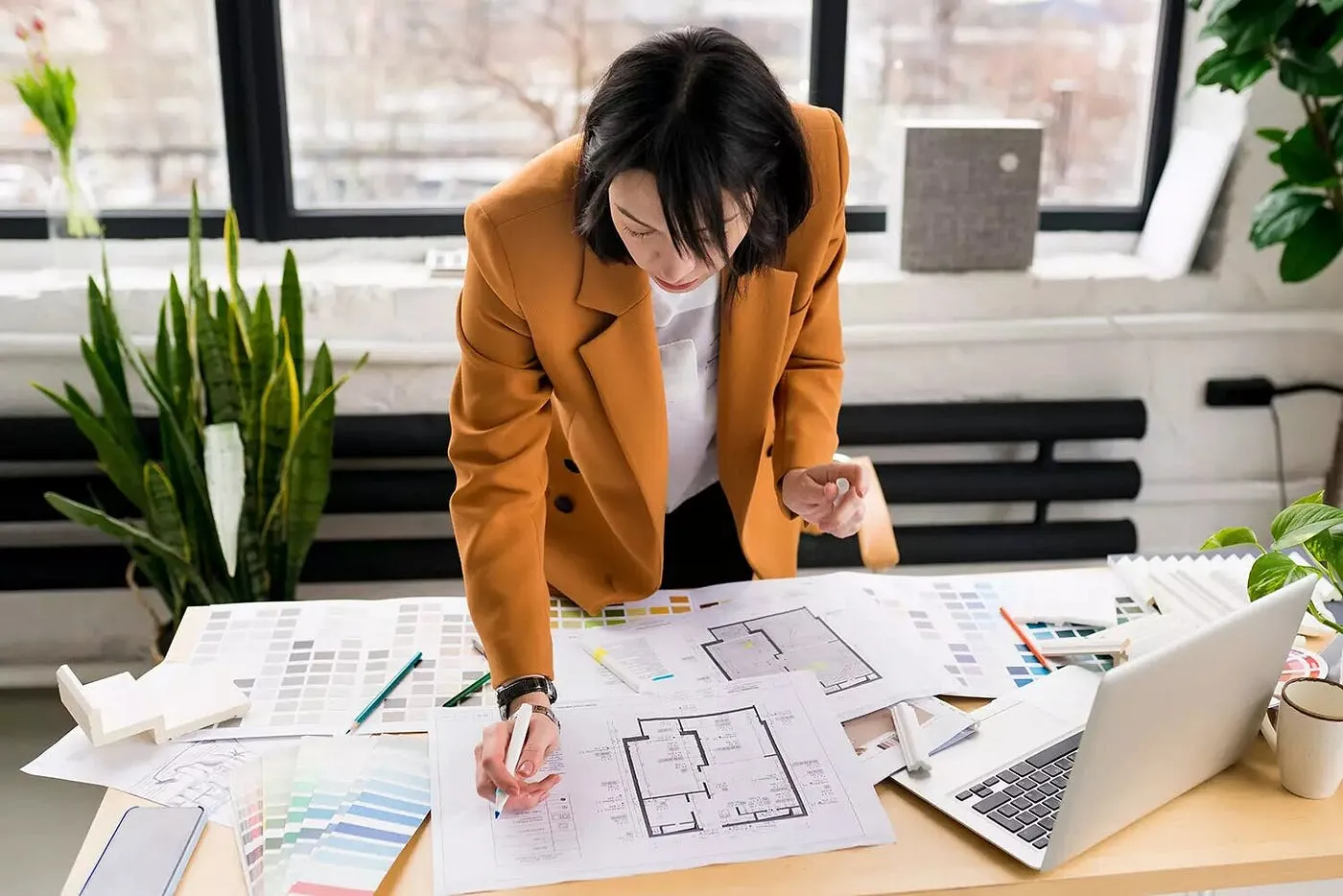

Interior Designer – Skills, Career Path, and Opportunities
A comprehensive guide for aspiring interior designers on the skills required, career paths, and potential opportunities in the dynamic field of interior design.
1. Introduction: The Role of an Interior Designer
Interior designers play a pivotal role in shaping functional and aesthetically pleasing spaces. They combine creativity, technical knowledge, and an understanding of human behavior to create environments that are not only visually appealing but also practical and comfortable.
Whether designing homes, offices, hotels, or retail spaces, interior designers influence how people experience spaces daily. Their work blends art and science, making it an exciting and rewarding career choice.
2. Key Responsibilities of an Interior Designer
An interior designer’s responsibilities vary depending on the project type but generally include:
- Meeting clients to understand requirements, preferences, and budget constraints.
- Creating design concepts and layouts using sketches, digital tools, or 3D renderings.
- Selecting color schemes, furniture, lighting, and decor elements.
- Collaborating with architects, contractors, and other professionals to ensure designs are feasible and safe.
- Supervising installation and ensuring quality control throughout the project.
3. Essential Skills for Interior Designers
Successful interior designers possess a mix of technical and soft skills:
- Creativity: Ability to generate innovative design ideas.
- Technical Skills: Proficiency in CAD software, 3D modeling, and drawing.
- Communication: Clear articulation of ideas to clients and teams.
- Problem-Solving: Addressing spatial, budget, and logistical challenges.
- Attention to Detail: Ensuring precision in measurements, layouts, and aesthetics.
- Project Management: Organizing tasks, timelines, and resources efficiently.
4. Educational Pathways
To become an interior designer, pursuing relevant education is often beneficial:
- Undergraduate Degrees: Bachelor of Interior Design (BID), Bachelor of Fine Arts (BFA) in Interior Design.
- Diplomas and Certifications: Short-term courses in interior design, space planning, or CAD software.
- Postgraduate Programs: Master’s in Interior Design or related fields for specialization and advanced knowledge.
Educational institutions often provide hands-on training through workshops, internships, and studio projects, which are crucial for practical experience.
5. Specializations in Interior Design
Interior design offers multiple specialization areas that professionals can pursue based on their interests:
- Residential Design: Designing homes and apartments for functionality and style.
- Commercial Design: Office spaces, retail stores, and hospitality projects.
- Hospitality Design: Hotels, resorts, and restaurants focusing on guest experience.
- Landscape and Exterior Design: Outdoor spaces, gardens, and terraces.
- Sustainable Design: Environmentally conscious and energy-efficient interior solutions.
6. Tools and Software for Interior Designers
Interior designers rely on a mix of traditional and digital tools:
- Sketching and blueprint creation
- AutoCAD for 2D and 3D designs
- 3D Studio Max and SketchUp for realistic renderings
- Adobe Photoshop and Illustrator for visual presentations
- Project management tools for timelines and resource allocation
7. Career Opportunities and Job Roles
Interior designers have a range of career paths, depending on their skills, experience, and interests:
- Freelance Interior Designer: Working independently for multiple clients on diverse projects.
- In-house Designer: Working with companies, hotels, or real estate firms.
- Design Consultant: Providing expert advice on furniture, layouts, and decor.
- Project Manager: Overseeing large-scale commercial or residential projects.
- Visual Merchandiser: Designing retail spaces for customer engagement and product display.
8. Industry Trends in Interior Design
Staying updated with trends is vital for success in interior design:
- Smart Homes: Integration of technology for lighting, security, and climate control.
- Minimalist Design: Functional and clutter-free spaces.
- Sustainable Materials: Eco-friendly furniture and recycled materials.
- Flexible Spaces: Multi-purpose rooms adapting to modern lifestyles.
- Biophilic Design: Incorporating plants and natural elements into interiors.
9. Salary Expectations
Salary varies based on experience, specialization, and location:
- Entry-level designers: ₹2,50,000 – ₹4,50,000 per year
- Mid-level designers: ₹5,00,000 – ₹8,00,000 per year
- Senior designers or project managers: ₹10,00,000+ per year
- Freelancers: Earnings vary widely based on project scope and client base
Experience, portfolio quality, and networking often play a bigger role in success than academic qualifications alone.
10. How to Build a Strong Portfolio
A well-curated portfolio is essential for career growth:
- Include high-quality images of completed projects or mock designs.
- Showcase variety: residential, commercial, or thematic projects.
- Highlight before-and-after comparisons to demonstrate transformation skills.
- Use digital platforms like Behance, Instagram, or personal websites to showcase work.
11. Networking and Professional Growth
Success in interior design is influenced by professional connections and visibility:
- Attend industry conferences, exhibitions, and workshops.
- Join professional organizations like the Indian Institute of Interior Designers (IIID).
- Collaborate with architects, contractors, and furniture suppliers.
- Maintain active social media presence to attract clients and opportunities.
12. Challenges in Interior Design Careers
Like any creative field, interior design comes with challenges:
- Managing client expectations while staying within budget.
- Keeping up with rapidly evolving design trends.
- Balancing creativity with practical and regulatory constraints.
- Competition in urban markets and freelance opportunities.
13. Tips for Aspiring Interior Designers
- Focus on both technical and creative skill development.
- Participate in internships to gain real-world experience.
- Build a strong, versatile portfolio showcasing diverse projects.
- Stay updated with software, trends, and sustainable practices.
- Develop client communication and negotiation skills.
14. The Future of Interior Design
The interior design industry is evolving with technology, sustainability, and lifestyle trends. Smart home integration, AI-driven design tools, and eco-conscious materials are shaping the careers of future designers.
Designers who embrace innovation while maintaining timeless principles of form, function, and aesthetics are likely to enjoy long-term success and recognition in the industry.
15. Conclusion
Interior design is a dynamic, rewarding profession for creative individuals who enjoy transforming spaces into functional works of art. By developing technical expertise, building a strong portfolio, and staying updated with industry trends, aspiring designers can achieve long-term success.
Whether working in residential, commercial, or specialized design niches, interior designers have the opportunity to make a lasting impact on the way people experience spaces daily.
Disclaimer: This article is for informational purposes only. Salary ranges, career opportunities, and industry trends may vary by region and are subject to change. Readers should verify local requirements and educational paths for interior design careers.